Discover what factors influence the cost of a new garage door and how to make an informed purchase.
Key takeaways:
- Garage door prices range from 0 to ,000.
- Material impacts durability, maintenance, and cost.
- Size and design variations influence price significantly.
- Professional installation offers precision and warranties.
- Warranties and maintenance costs are essential considerations.
Types of Garage Doors and Their Costs
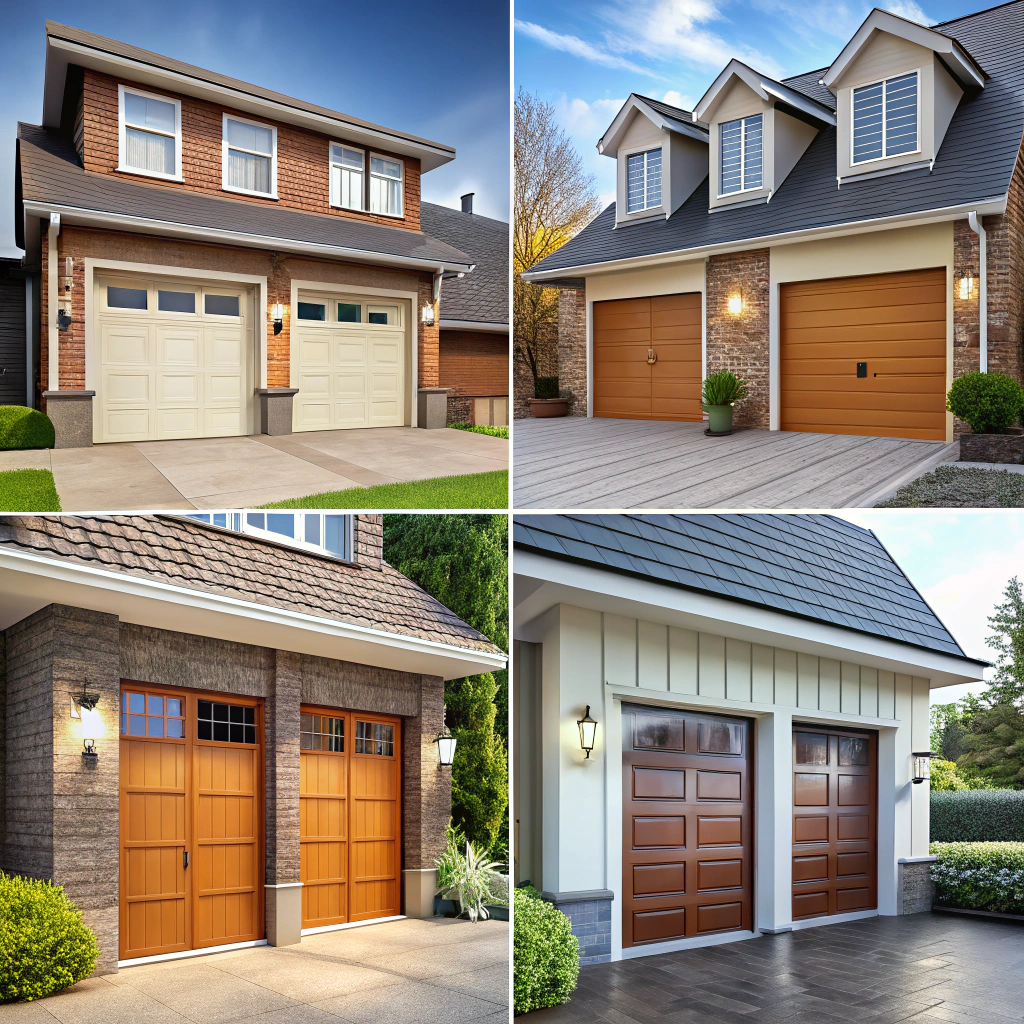
Garage doors come in a delightful variety, each promising to open new possibilities for your cherished car den. The classic steel door, known for its durability and budget-friendly personality, usually runs between $600 to $2,000. Wood doors, those charming rustic beauties, can fetch prices from $1,200 to a jaw-dropping $4,000, depending on the kind of wood and craftsmanship involved. Aluminum doors, the svelte siblings of the garage family, generally hover around $1,500 to $2,500.
Then there are the snazzy composite wood options that mimic wood’s good looks without the high-maintenance attitude, costing anywhere from $1,200 to $2,200. For the avant-garde home where innovation reigns supreme, glass and fiberglass doors swing in with prices ranging from $1,500 to $5,000.
Roll-up doors, the space-saving Houdinis, and tilt-up doors, the swingy sorts, each come with their own price tags and quirks. Whether you want your garage to whisper classic charm or shout modern pizazz, there’s a door—and a price—for you.
Material Choices and Price Implications
Choosing the material for your garage door is like selecting your perfect pizza topping: it can totally change the flavor and cost of the entire meal.
Firstly, steel garage doors, known as the all-rounders, are typically the most affordable. They’re durable and require little maintenance, but their personalities can be a bit flat unless accessorized with insulation.
Wood doors, however, are the divas of the garage world. They add warmth and charm, but they definitely come with a higher price tag and demand a regular spa treatment to prevent warping and rotting.
Aluminum doors are the featherweights. Perfect for wide openings where nimbleness is needed. Aesthetically flexible yet more prone to dents, they’re often sensitive to strong opinions (and heavy-duty impacts).
For a sleek, futuristic vibe, fiberglass doors offer lightweight durability while cleverly mimicking wood at a fraction of the personality cost. However, they’re better suited for milder climates as extreme conditions can make them crack faster than the plot of a soap opera.
Each material choice affects not just your wallet, but also your curb appeal and maintenance tasks. It’s all about finding the balance between style, budget, and commitment level.
Size and Design Variations Impacting Cost
Ah, size and design, the dynamic duo of garage door pricing. Go big or go home? Well, that’s going to cost you. A standard single-car garage door is usually the least expensive option. But throw in a double-door for the family fleet, and prices jump faster than a squirrel on an acorn.
Design extravagance also carries its price tag. Opt for windows to let in more than just the neighbor’s envy, and you’ll see the cost creep higher. Or perhaps you fancy a carriage-house style which, while charming, may also charm its way into a heftier price.
Add insulation to battle Mother Nature’s mood swings, especially if your garage doubles as a gym or a secret chocolate stash. More insulation layers sound cozy, but also inflate the bill. Remember, as the door gets thicker, so might your credit card bill.
With sizes and designs, every choice nudges the cost needle. Choose wisely!
Cost of Installation Vs. DIY
Installing a garage door can be a bit like choosing between hiring a professional chef or attempting a new soufflé recipe yourself. Both options have their merits!
- For the hire-a-pro approach:
- Precision guaranteed: Professionals come equipped with experience and tools, ensuring the door is balanced and noise-free.
- Time-saving: No need to spend your weekend wrestling with a metal behemoth—go binge-watch something instead.
- Warranties: Many installers offer warranties on their work, ensuring peace of mind.
- Going the DIY route:
- Cost-effective: Save on labor costs, but do consider buying a helmet—you might need it.
- Satisfaction of accomplishment: Like finishing a puzzle, except this one can crush your skull if you’re not careful.
- Learning opportunity: Equip yourself with new skills—because isn’t life about learning how to avoid injury while holding power tools?
Choose wisely, but perhaps keep an ice pack handy… just in case.
Warranty and Maintenance Costs
Ah, warranties—the magical shield that protects your wallet from unexpected doom! When getting a new garage door, understanding the fine print of the warranty can make you feel like a wise ancient sage. These typically cover parts for a certain number of years, often ranging from one to twenty years, depending on the brand and model. Longer warranties usually scream, “I’m durable!”
Maintenance costs are like the gym membership for your garage door; it works best if you actually use it. Regular checks and potential tune-ups keep it operating smoothly. Here are a few nuggets of wisdom:
- Lubricate those noisy hinges and tracks. Nothing says, “I’m a scary garage door,” like screeching metal.
- Weather-stripping is the unsung hero, ensuring your garage doesn’t become Antarctica in winter. It might require periodic replacement.
- Keep sensors clean and aligned. They’re the garage door’s version of a mood ring—misaligned, and they start throwing tantrums.
Investing in warranty and maintenance can save you from the dreaded call to your friendly neighborhood repair wizard at 2 a.m. Or worse, explaining to your car why it’s sleeping on the driveway.