Learn how to install garage door sensors with ease to enhance your garage’s safety features.
Key takeaways:
- Gather tools: drill, tape measure, level, wire stripper.
- Disconnect power to garage door opener before installation.
- Mount sensors 6 inches off the ground, facing each other.
- Align wires by matching colors; ensure sensors are straight.
- Test sensors: doors should stop or reverse if obstructed.
Gather Necessary Tools and Materials
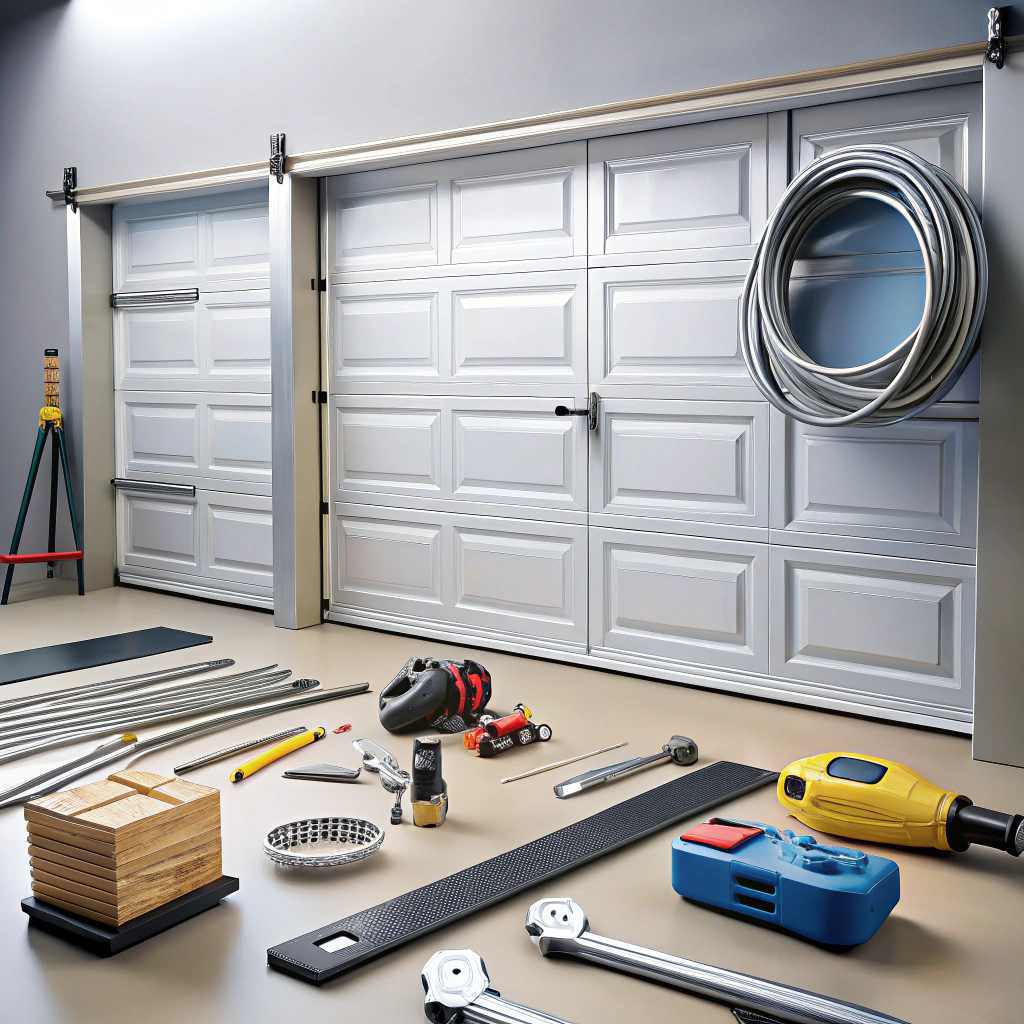
To embark on your epic sensor installation journey, you’ll need a trusty toolbox sidekick. Start with a power drill, a true hero when it comes to making precise holes. Grab a tape measure and a level to ensure everything lines up nicely—no one wants a wonky sensor!
Wires might be involved, so a trusty wire stripper is a gadget you won’t want to leave behind. And don’t forget the screwdriver; it’s the swiss army knife of this mission. Lastly, courageously round up the sensors and brackets from the garage door opener kit. They’re stars of the show after all.
With these tools and materials at hand, you’re set up for a successful installation mission. Whether you’re a seasoned DIY ace or a rookie, assembling the right tools is half the battle!
Power Off the Garage Door Opener
Before you start fiddling with anything, make sure the garage door opener is disconnected from power. You wouldn’t want the opener surprising you with a mechanical samba dance routine mid-installation.
Here’s what to do:
Find the power cord, typically hanging from the ceiling like a party streamer. Unplug it. Feel the empowerment of being totally in charge.
It’s always a smart idea to switch off the circuit breaker too. This action reduces the risk of your garage getting a shocking makeover.
With everything safely powered down, you’re ready to dive into the world of sensor setup.
Mount the Sensors At the Correct Height
Time to give your sensors a comfy home on the door tracks. Precision is key, because they’re picky about being at the same height. Trust me, even they don’t like uneven relationships.
Locate the proper height for these finicky little devices, typically 6 inches off the ground. It’s their sweet spot, as they need to catch those errant basketballs or wayward bikes at just the right angle.
Place the sensor brackets on both sides of the garage tracks. If you’re wondering why your sensor is complaining about being out of line, relax. It just takes pride in its work.
Secure the sensors using the provided hardware, making sure they face each other in a loving gaze. Tighten those screws, but don’t go full-bodybuilder mode.
Oops, did you drop a bolt? Happens to the best of us. Just don’t bolt your garage shut.
Wire and Align the Sensors
Start by identifying the existing wires on your garage door opener. Connect these to the sensor wires, ensuring you’re joining the same colored wires together. Think of it as matching socks, but with higher stakes.
Position the sensors facing each other across the garage doorway. They need to see eye-to-eye like old friends at a party. If they’re misaligned, they’ll refuse to cooperate and your door will behave like a moody teenager.
Use a level to ensure they’re straight. No one likes a leaning tower of sensors. A crooked sensor may cause false alarms or, worse, refuse to let your door close.
Adjust them until both sensors have a steady LED light. This tiny glow is their way of saying, “Hey, we’re good!” If one isn’t lit, check the alignment before blaming faulty wiring.
Test the Sensors for Proper Operation
With sensors installed, it’s showtime!
First, close the garage door. As it descends, wave your hand or a broomstick in front of the sensors. If the doors stop and then reverse, congratulations—you’ve created a sensor masterpiece.
Next, unleash your inner daredevil. Place an item in the sensor’s path and try the closing routine again. Success means those doors will refuse to crush your defenseless shoebox.
Finally, put the sensors to the ultimate staring contest. Check the tiny LED lights on each sensor. If they’re intimidating each other across the garage with a solid glow, you’ve nailed it. If they’re blinking or having an existential crisis, it might be time for some alignment therapy.
If all else fails, take a moment to whisper sweet promises of success to the sensors—and maybe grab the manual.