Discover the frustrating reasons behind the mysterious snapping of garage door springs and how to prevent it from ruining your day.
Key takeaways:
- Wear and tear limits spring lifespan to 10,000 cycles.
- Rust and corrosion weaken springs, require protective oil.
- Neglecting maintenance invites trouble; inspect and lubricate regularly.
- Extreme temperatures and humidity contribute to spring failures.
- Incorrect spring type or installation leads to catastrophic breaks.
Wear and Tear From Regular Use
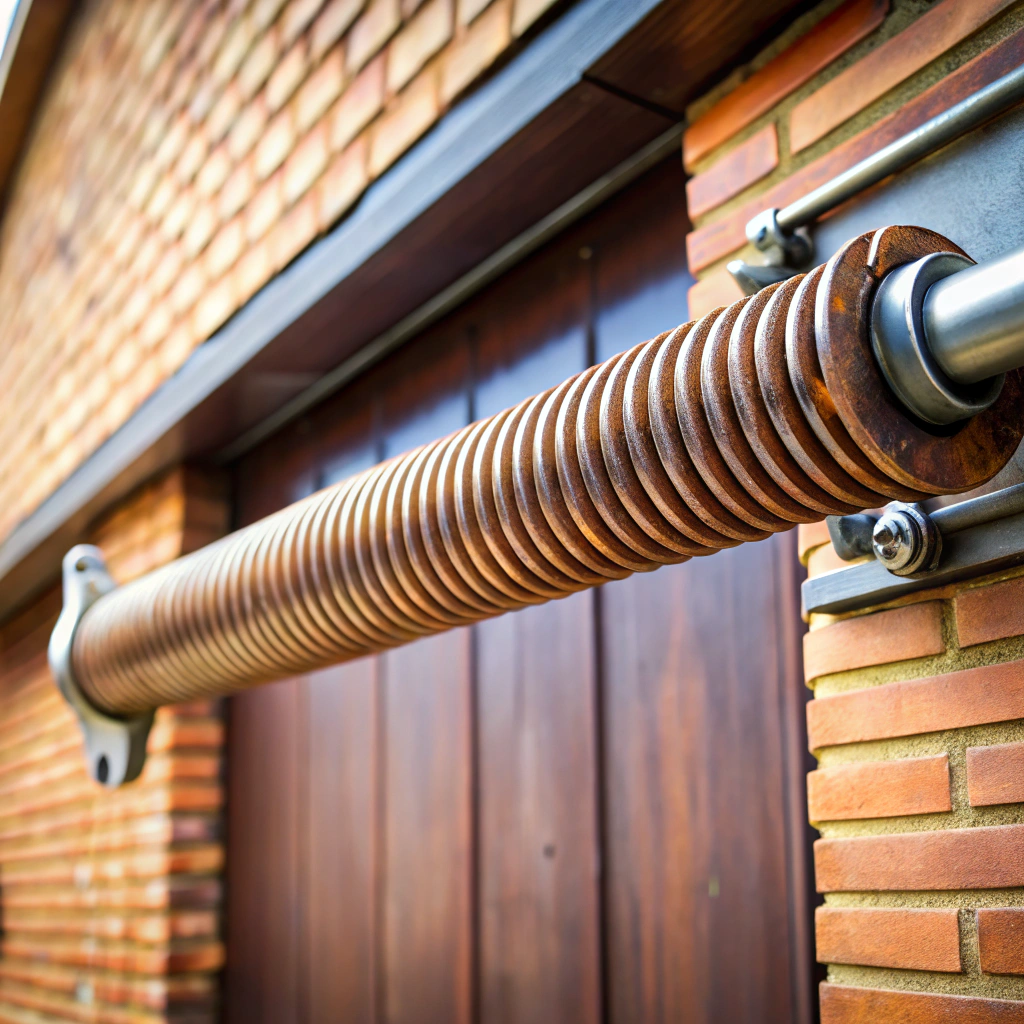
Garage door springs endure a workout, like a fitness enthusiast who really loves leg day. Each open and close is a squat! Over time, this repetitive movement wears down even the most robust springs.
Think shoes: eventually, even the best pair becomes threadbare. Springs are no different, losing their strength after thousands of cycles.
Average lifespan? About 10,000 cycles. For a busy household, that’s a fast track to retirement. Keeping track of usage might sound crazy, but it’s key to avoiding an early spring break.
Misalignment during wear can add extra stress. Ever see someone trying to run in flip-flops? You get the picture—effort and efficiency suffer.
Rust and Corrosion
Ah, rust—the mischievous nemesis of metal everywhere. Just like socks going missing in the laundry, rust and corrosion have a way of sneaking in when no one’s looking. The reaction between iron and moisture in the air creates this nasty monster, and it can create havoc on your garage door springs.
A little protective oil can go a long way—think of it as sunscreen for metal. Forget it, and rust will roll in like an unwelcome houseguest.
With age, springs naturally become more susceptible to the elements. The longer they stick around, the more they can resemble a rusty trombone.
If the Hulk were so inclined, he’d tell you: keep things dry and monitor the weather. High humidity increases the possibility of corrosion. It’s like inviting rust to a pool party.
And remember, a rusty spring isn’t a stronger spring. Unless you’re angling for an impromptu game of “how far can a spring fly,” it’s probably best to keep them in tip-top shape.
Improper Maintenance
Neglecting a garage door is like ignoring your dentist’s flossing advice—trouble will catch up eventually. Without proper care, the springs can become the unsung heroes who eventually succumb to the weight of neglect.
Regularly inspect the springs for any wear or unusual noises. A quick listen might save a hefty bill.
Keep them lubricated. Think of it as a spa treatment, just less luxurious—a simple spritz of silicone lubricant will prevent rust and reduce friction.
Check the garage door’s balance. If it’s about as balanced as a toddler on a sugar high, your springs are working overtime and could snap under pressure.
Tighten loose hardware. Swings and clangs during operation aren’t a haunted house feature but rather a sign of screws begging for attention.
Routine maintenance is like sending your springs on a wellness retreat. Keep them happy, and they won’t snap out of frustration!
Temperature and Humidity Changes
Garage door springs have a strong dislike for extreme weather. Picture a human feeling chilly and overheated; the springs experience a similar predicament. Cold temperatures can cause metal springs to become brittle, leading to an unplanned break. Think of it as a frozen pretzel snap. Meanwhile, sweltering heat can make them expand, straining their limits. Over time, they lose their elasticity, like a well-chewed piece of gum. Humidity likes to bring a friend: rust. The dastardly duo of moisture and oxygen invite corrosion, weakening your springs. It’s a slow dance toward failure, each rust spot taking a bow of structural integrity. Regular checks can help spot these villains before they wreak havoc. Protect your springs from Mother Nature’s mood swings. Or at least give them an umbrella and a fan.
Incorrect Spring Type or Installation
Choosing the wrong spring for your garage door is like using spaghetti as shoelaces—not quite effective and likely to lead to catastrophe. Garage doors come in various sizes and weights, and each requires a specific spring type to function smoothly. Using an incorrect spring can cause stress and lead to premature breaking.
Incorrect installation is another common villain. Springs need to be installed precisely. Misalignment or poor tension adjustments can wreak havoc quicker than a raccoon in a trash can.
Enlist a professional’s help if you’re unsure. No one wants to turn their garage into a house of horrors with a spring causing chaos.